About the Creator: Baylie Phillips
I didn’t set out to build a brand. I set out to survive—and this is why the work exists.
BLOG INTRODUCTION
Baylie Phillips
2/28/20265 min read
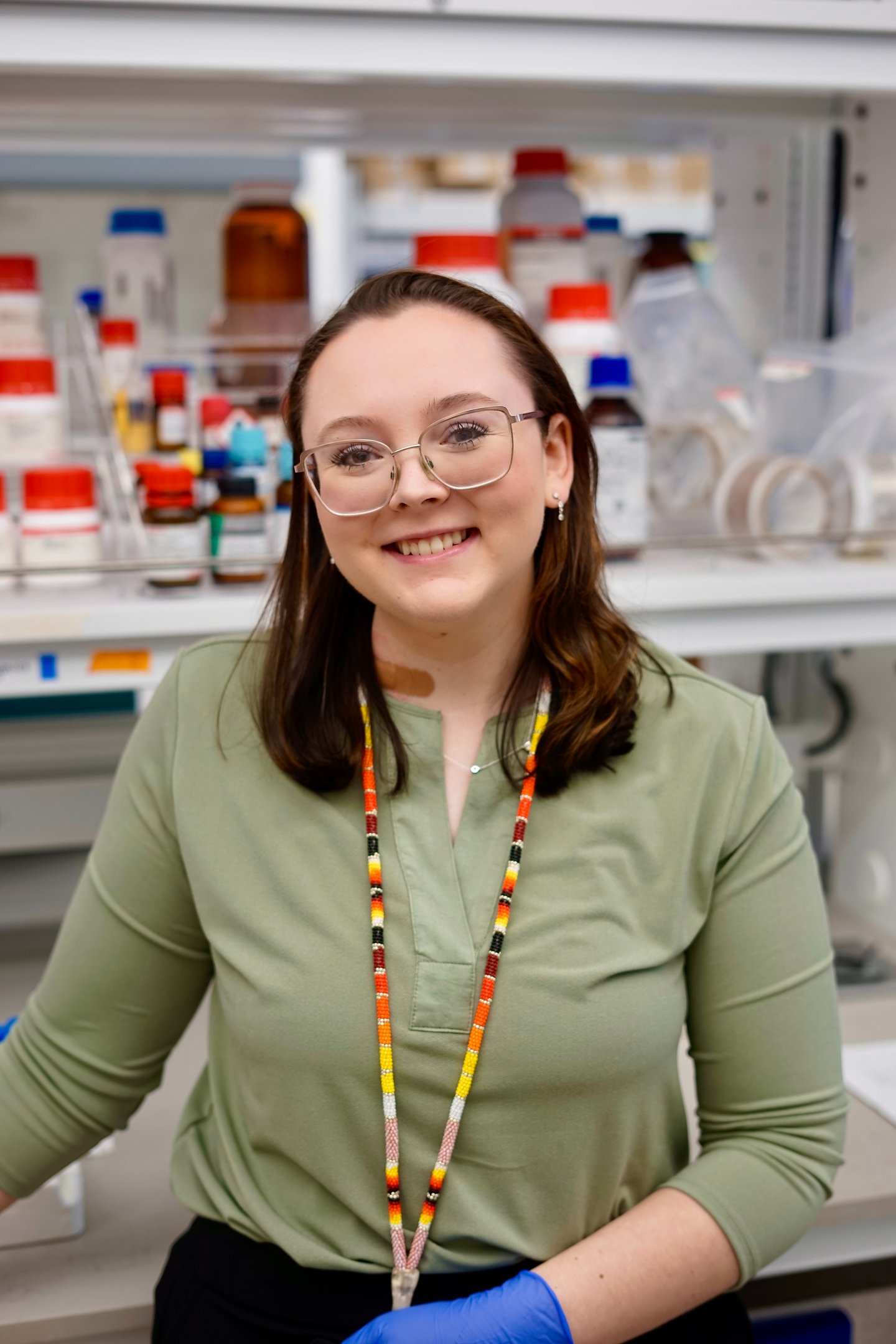
About the Creator: Baylie Phillips
I didn’t set out to build a brand.
I set out to survive.
Survival has a way of rearranging your priorities. It strips away ambition that isn’t rooted in reality. It peels back identity until only what is essential remains. It teaches you—often brutally—that not everything meaningful is chosen. Some things are born out of necessity, out of loss, out of the quiet realization that if you don’t tell the truth about what you’re living through, it may swallow you whole.
I live with multiple chronic illnesses, complex medical trauma, and a body that has been repeatedly pushed past its limits—by disease, by intervention, and by systems that were meant to heal but too often harmed instead. I’ve been awake for procedures I wasn’t supposed to feel. I’ve felt my body fail in ways that were labeled “rare,” “unexpected,” or “unfortunate,” as though those words made the experience survivable. I’ve learned what it means to lose pieces of yourself quietly—without funerals, without acknowledgment, without language.
There is a particular kind of grief that comes from that kind of loss.
It doesn’t arrive with casseroles or sympathy cards. No one tells you when to mourn it or how long you’re allowed to hurt. There is no social script for grieving a body that still exists but no longer functions the way it once did. No ritual for saying goodbye to the future you were promised. You are expected to carry it privately. Gracefully. Without complaint.
I know what it’s like to become invisible while still breathing.
To watch the world keep moving while your life shrinks to waiting rooms, medication schedules, and recovery timelines that never quite resolve. To be reduced, in the eyes of others, to what you can no longer do. To feel yourself disappear—not because you want to, but because illness makes people uncomfortable, and discomfort is easier to avoid than to sit with.
I also know what it takes to keep going anyway.
Not in the glossy, inspirational sense. Not in the way people like to package survival into palatable stories about strength and perseverance. I know the version of “keeping going” that looks like bargaining with pain. Like calculating energy before every decision. Like learning how to advocate for yourself when you are exhausted, afraid, and already carrying too much. Like waking up each day in a body that no longer feels safe—and choosing, again and again, to stay.
Rarely Ordinary Collection, Hope in Stripes, and my writing were born from that space.
Not from expertise detached from reality.
Not from theory or distance.
But from lived experience.
From sitting on cold hospital floors because it was the only place my body could tolerate the pain. From listening to doctors debate my care as though I wasn’t in the room. From learning, slowly and painfully, how to translate my suffering into language that would be believed. From discovering that if I didn’t document everything—symptoms, flares, procedures, reactions—my reality could be rewritten without me.
I didn’t start writing because I had answers.
I started writing because silence harms us.
Silence allows medical gaslighting to flourish.
Silence convinces people they are alone in experiences that are shared by millions.
Silence teaches us to internalize blame for bodies that are failing through no fault of our own.
I write because being believed saves lives.
Because I have seen what happens when people are dismissed, minimized, or told their pain is psychological, exaggerated, or inevitable. Because I have lived inside a healthcare system that too often prioritizes efficiency over humanity. Because I know how dangerous it is to feel unheard when your body is screaming for help.
And I write because people deserve language for what they’re surviving.
Before I had words for what was happening to me, I thought I was failing. I thought I wasn’t trying hard enough. I thought I was weak for not “bouncing back,” for not responding to treatment the way I was told I should. Language changed that. Naming grief. Naming trauma. Naming burnout. Naming chronic illness not as a personal failure, but as a lived reality shaped by biology, systems, and chance.
Language didn’t cure me—but it gave me ground to stand on.
I am not here to tell you how to fix your body.
I am here to tell you that your life still matters inside the body you have.
That truth is at the heart of everything I create.
My books are not manuals for recovery. They are companions for survival. They sit with readers in the places where words usually fail—inside grief, anger, fear, and the long, lonely stretch of learning how to live differently than you planned.
Hope in Stripes exists because hope needed a new definition—one that doesn’t require denial. One that doesn’t erase pain in order to feel inspiring. Hope, as I understand it now, is defiance. It is choosing to stay when staying hurts. It is building meaning from what remains, not from what was lost.
Rarely Ordinary Collection exists because ordinary systems do not work for extraordinary lives.
Lives shaped by chronic illness, disability, medical trauma, and caregiving are anything but ordinary. They require different tools. Different language. Different measures of worth. This collection was built to offer practical support alongside emotional truth—because surviving chronic illness is not just medical. It is financial. It is relational. It is psychological. It is deeply human.
Everything I create—books, blogs, tools, resources—is meant to do one thing:
Sit with you.
Not rush you.
Not fix you.
Not demand that you turn your pain into something inspirational.
Just sit with you in the reality of what you’re carrying.
If you are sick, I want you to see yourself reflected here.
Not as a cautionary tale. Not as a story of overcoming. But as a whole person—complex, grieving, resilient, exhausted, still worthy of care and dignity. I want you to know that your experience makes sense, even when it doesn’t fit neatly into diagnostic criteria or recovery timelines.
If you love someone who is sick, I want you to understand the battles you cannot feel.
The energy calculations. The fear that lives under the surface. The grief that resurfaces without warning. The strength it takes to ask for help—and the shame that sometimes follows. This work exists to bridge that gap, not by simplifying illness, but by honoring its complexity.
If you are exhausted, grieving, angry, or still daring to hope, I want you to know you are not alone.
You are not dramatic for naming your pain.
You are not weak for struggling.
You are not broken because this changed you.
This is not a story of overcoming.
Overcoming suggests an ending. A victory that restores what was lost. A neat resolution that proves suffering had a purpose. That is not the story I’m living, and it is not the story most chronically ill people live.
This is a story of continuing.
Of learning how to live inside limitation without losing your humanity. Of redefining success when your body sets the terms. Of finding connection in places you never expected. Of choosing, again and again, to remain present in a life that looks nothing like the one you planned.
I am still here—not because I am exceptional, but because something in me refused to disappear quietly.
And if my words, my work, my presence can help someone else feel less alone in that refusal—then this survival has meaning beyond myself.
I didn’t set out to build a brand.
I set out to survive.
Everything else grew from that.
And I’m honored—truly honored—to share it with you.
Rarely Ordinary Collection
Gentle strength, rare beauty, and advocacy-inspired design.
rarelyordinarycollection@gmail.com
© 2026 Rarely Ordinary Collection. All rights reserved.
Rarely Ordinary Collection is committed to providing an accessible experience for all visitors. If you encounter barriers, please contact us so we can improve.